Skin Hydration vs. Moisturisation: Understanding the Difference
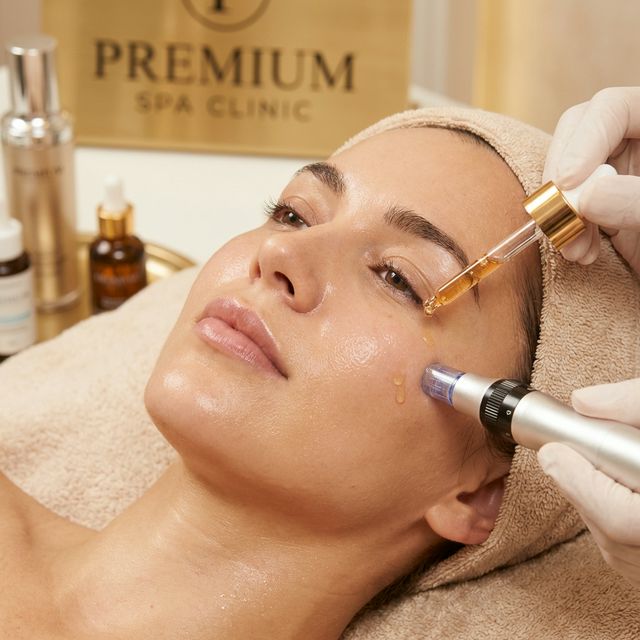
Walk into any beauty retailer and you’ll hear the words “hydrating” and “moisturising” used almost interchangeably. But for those serious about skin health, understanding the distinction between these two concepts is essential — and getting it wrong can mean your skincare routine isn’t working as well as it should.
What Is Skin Hydration?
Hydration refers to the water content within the skin cells themselves. When skin is dehydrated (lacking water), it can appear dull, feel tight, show fine lines more prominently, and even feel oily — because the skin overproduces sebum to compensate for lack of moisture.
Hydrating ingredients — such as hyaluronic acid, glycerin, and aloe vera — work by drawing water into the skin cells. They are often described as “humectants.”
What Is Moisturisation?
Moisturisation, on the other hand, is about trapping and locking in that water — preventing transepidermal water loss (TEWL). Moisturising ingredients like shea butter, ceramides, and squalane work by forming a barrier on the skin’s surface, sealing in hydration.
Dry skin lacks oil (lipids), not water. It benefits most from rich emollient and occlusive moisturisers that replenish the skin barrier.
Which Do You Need?
Most skin types benefit from both — first hydrating to plump skin cells with water, then moisturising to seal that hydration in. The key is identifying whether your skin is primarily dehydrated, dry, or both.
In-clinic treatments like Hydrafacials and skin boosters can dramatically accelerate hydration levels in the skin. Book a skin consultation with Dr Numerah to get a professional assessment and tailored skincare prescription.